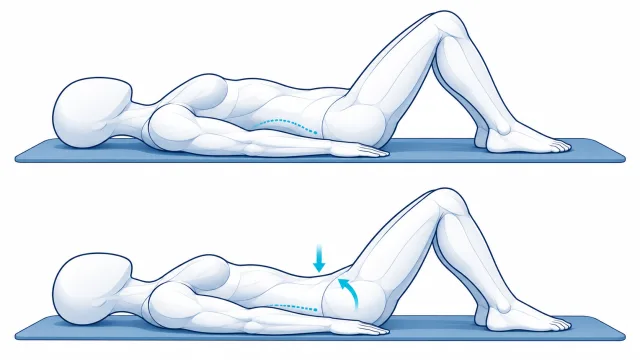

What Is Osteomalacia? Osteomalacia is a condition in adults in which newly formed bone tissue fails to acquire sufficient minerals, causing the bones to become softer and less resistant to stress. Although the basic structure of the bone tissue is formed, minerals such as calcium and phosphorus are not adequately deposited in it. As a result, bone pain, muscle weakness, difficulty walking, and an increased risk of fractures may occur.
Osteomalacia is most commonly associated with severe, prolonged vitamin D deficiency. However, diseases that impair nutrient absorption in the intestines, kidney and liver disorders, phosphorus loss, certain medications, and rare inherited conditions can also disrupt bone mineralization.
This condition is a mineralization disorder similar to rickets in children. However, because children’s growth plates have not yet closed, bone deformities and growth problems may be more pronounced. In adults, whose growth is complete, the disease is more likely to manifest as widespread bone pain, reduced muscle strength, changes in walking patterns, and insufficiency fractures.
What Is Osteomalacia?
Bone tissue is not merely a hard, static structure. Throughout life, old bone tissue is broken down and replaced with newly formed bone. For the new bone matrix to become hard and strong, it must be reinforced with calcium and phosphate minerals. This process is called mineralization.
When osteomalacia develops, newly formed bone tissue does not undergo adequate mineralization. Bone that does not acquire sufficient minerals becomes softer than normal and less able to withstand mechanical loads. This can cause pain, particularly in the spine, pelvis, hips, ribs, and leg bones.
The disease usually progresses slowly. Because symptoms may be mild at first, they can be mistaken for fatigue, muscle pain, lower back problems, or a natural consequence of aging. As a result, diagnosis may be delayed in some people.

Are Osteomalacia and Osteoporosis the Same Disease?
No. Although both conditions can weaken bones and increase the risk of fractures, their underlying mechanisms are different.
In osteoporosis, the overall amount and density of bone tissue decrease. The mineralization of existing bone tissue is generally normal, but bone mass is reduced.
In osteomalacia, the bone matrix is produced but does not acquire enough minerals. In other words, osteoporosis is primarily associated with a reduction in bone quantity, whereas a mineralization disorder involves the failure of newly formed bone tissue to harden adequately.
A person can have both conditions at the same time. Bone density testing alone cannot always distinguish between them. Blood tests, symptoms, dietary history, and imaging findings should be evaluated together.
What Causes Osteomalacia?
Many conditions that disrupt the balance of vitamin D, calcium, and phosphorus needed for bone mineralization can cause this disease.
The main causes include:
- Severe and prolonged vitamin D deficiency,
- Insufficient exposure to sunlight,
- Inadequate dietary vitamin D intake,
- Malabsorption disorders such as celiac disease,
- Crohn’s disease and other intestinal disorders,
- Absorption problems that develop after stomach or intestinal surgery,
- Chronic kidney disease,
- Liver disease,
- Persistently low blood phosphorus levels,
- Excessive phosphorus loss through the kidneys,
- Long-term use of certain anti-seizure medications,
- Rare tumor-related conditions that cause phosphorus loss,
- Inherited disorders of mineral metabolism.
Vitamin D helps regulate calcium absorption from the intestines. When deficiency persists, the body may struggle to maintain bone hardness. Treatment should not consist solely of vitamin D supplementation; the underlying cause of the deficiency must also be investigated.
Why Does Vitamin D Deficiency Develop?
Vitamin D can be produced in the skin through exposure to sunlight and obtained from certain foods. However, its production and absorption are affected by many factors.
Risk factors include:
- Very limited exposure to sunlight,
- Spending most of the day indoors,
- Wearing clothing that covers most of the skin,
- Older age,
- Darker skin pigmentation,
- Insufficient intake of foods containing vitamin D,
- Impaired absorption of fats from the intestines,
- Obesity,
- Impaired kidney or liver function,
- Long-term use of certain medications.
Not everyone with a low vitamin D level has osteomalacia. The disease generally develops when a deficiency is severe and prolonged, mineral balance is disrupted, and a defect in bone mineralization occurs.
How Does Phosphorus Deficiency Affect Bones?
Along with calcium, phosphorus is an essential component of bone mineral. Persistently low phosphorus levels in the blood can prevent newly formed bone tissue from hardening.
Low phosphorus levels may result from:
- Inadequate nutrition,
- Intestinal malabsorption,
- Excessive phosphorus loss through the kidneys,
- Certain inherited diseases,
- Excessive activity of the hormone FGF23,
- Certain rare tumors.
Tumor-induced mineralization disorders can develop when certain small tumors produce substances that cause the kidneys to excrete excessive amounts of phosphorus. In such cases, vitamin D alone may not be sufficient. The cause of phosphorus loss should be identified and treated whenever possible.
What Are the Symptoms of Osteomalacia?
There may be no symptoms in the early stages. As the mineralization disorder progresses, the following complaints may occur:
- Widespread bone pain in the lower back, pelvis, hips, and legs,
- Tenderness in the ribs,
- Muscle pain and easy fatigability,
- Weakness in the muscles around the hips and shoulders,
- Difficulty getting up from a chair,
- Difficulty climbing stairs,
- Swaying or waddling gait,
- Increased tendency to fall,
- Stress or insufficiency fractures,
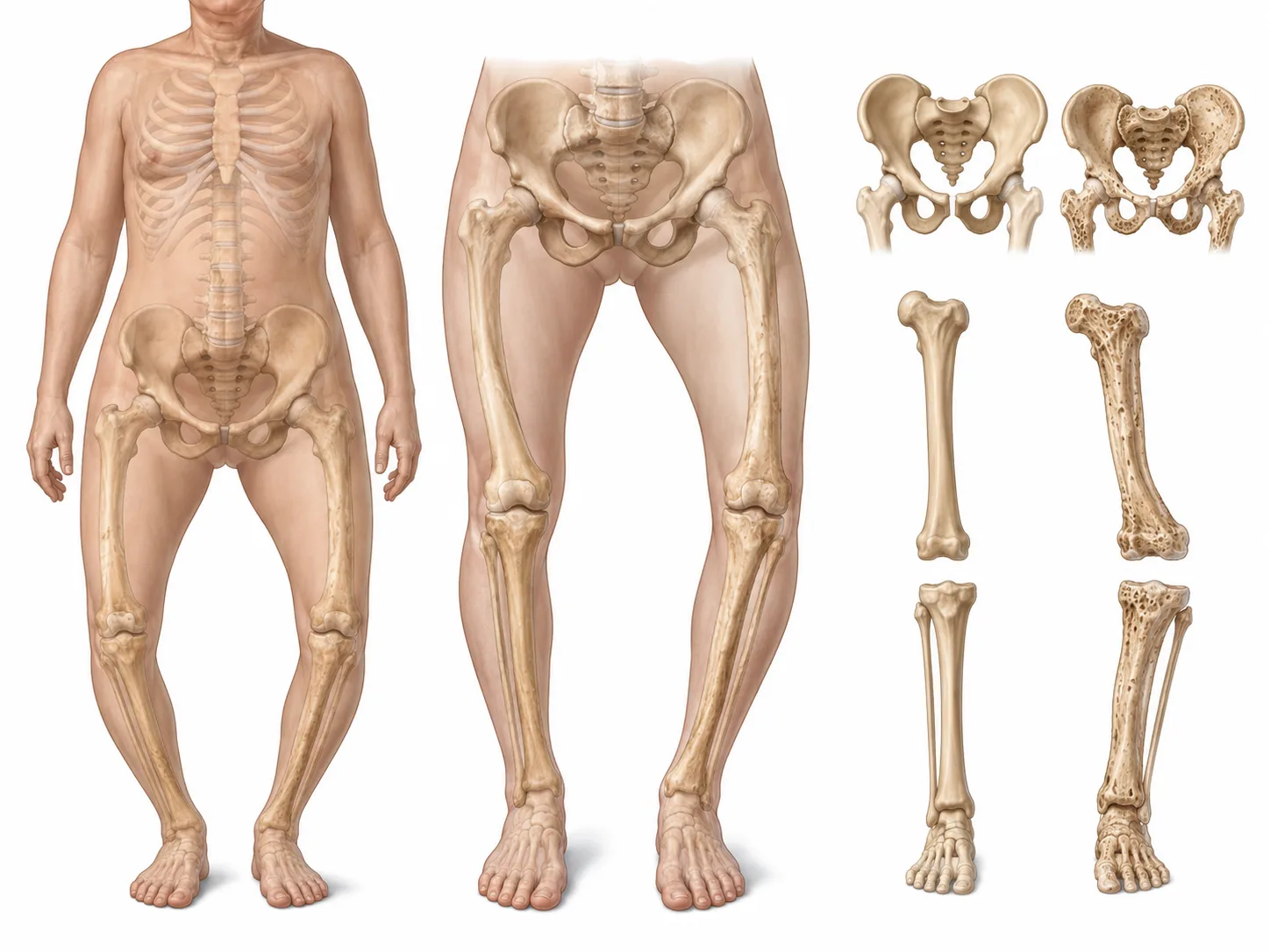
- Bone deformities in advanced cases.
Bone and muscle pain felt particularly around the hips, back, and pelvis, together with weakness in the upper leg muscles, may suggest this condition. However, these symptoms can also occur in rheumatic diseases, nerve compression, and other musculoskeletal disorders.
What Does Bone Pain Feel Like?
Pain caused by osteomalacia is usually described as widespread, deep, and aching. Rather than being confined to a single joint, the pain may be felt across larger areas where bones are located.
The most commonly affected areas include:
- Lower back and back,
- Pelvis,
- Hip region,
- Thigh bones,
- Ribs,
- Shoulder girdle.
The bones may be tender when pressure is applied. Pain may worsen with weight-bearing activities or walking. However, a definitive diagnosis cannot be made based solely on the nature of the pain.
Why Does Muscle Weakness Occur?
Disorders of vitamin D and mineral metabolism can affect not only bones but also muscle function. Weakness may develop particularly in the proximal muscles around the hips and shoulders.
A patient may experience the following difficulties:
- Needing to push up with their hands when rising from a low chair,
- Difficulty climbing stairs,
- Feeling unsteady while walking,
- Tiring quickly when walking long distances,
- Difficulty picking up an object from the floor.
Reduced muscle strength can increase the risk of falling. Because the bones are already weakened, a fall may also be more likely to result in a fracture.
Can Osteomalacia Cause Fractures?
Yes. Inadequately mineralized bone can be damaged by repetitive everyday loads. Stress or insufficiency fractures may develop even without a major accident.
The following bones may be particularly affected:
- Pelvis,
- Femoral neck,
- Ribs,
- Tibia (shinbone),
- Metatarsal bones of the foot.
Persistent groin or hip pain, pain that worsens with weight-bearing, and difficulty walking should be assessed for a possible insufficiency fracture.
What Are Looser Zones?
Looser zones, also known as pseudofractures, are linear changes visible on X-rays in areas where bone mineralization is inadequate. Unlike a true traumatic fracture, they may not extend through the entire bone, but they indicate reduced load-bearing capacity.
These areas may be seen particularly in the following locations:
- Femur (thigh bone),
- Pelvis,
- Ribs,
- Scapula (shoulder blade),
- Metatarsal bones of the foot.
Identifying a pseudofracture helps assess the severity of the disease and the risk of fractures.

Who Is at Risk?
People who may be at higher risk include:
- Those with very limited exposure to sunlight,
- Older adults,
- People living in residential institutions,
- Those whose diets are low in vitamin D,
- People with celiac disease or inflammatory bowel disease,
- Those who have undergone bariatric or intestinal surgery,
- People with chronic kidney or liver disease,
- Those who have taken certain anti-seizure medications for a long time,
- People with kidney disorders that cause phosphorus loss,
- Those who experience recurrent stress fractures.
Being in a risk group does not mean that the disease will definitely develop. Symptoms and laboratory findings should be assessed together.
Can Osteomalacia Occur During Pregnancy?
During pregnancy and breastfeeding, a mother’s calcium and vitamin D requirements may change. The risk of impaired bone mineralization may increase in people with inadequate nutrition, low vitamin D levels, or absorption problems.
Supplement use during pregnancy should be planned according to the recommendations of an obstetrician-gynecologist. Taking high doses of vitamin D or calcium without medical supervision can be harmful to both mother and baby.
Because pain in the hips, lower back, and pelvis is common during pregnancy, an underlying mineralization disorder may be overlooked. A thorough evaluation is needed if there is severe muscle weakness, recurrent fractures, or significant laboratory abnormalities.
How Is Osteomalacia Diagnosed?
Diagnosis is not based on vitamin D levels alone. The patient’s symptoms, dietary habits, medications, and any intestinal or kidney disorders are evaluated together.
Blood tests that may be requested include:
- 25-hydroxyvitamin D,
- Calcium,
- Phosphorus,
- Alkaline phosphatase,
- Parathyroid hormone (PTH),
- Kidney function tests,
- Liver function tests,
- Magnesium,
- Urinary calcium and phosphorus when necessary.
Laboratory results may vary depending on the cause of the disease. Osteomalacia caused by vitamin D deficiency may not produce the same blood test results as a case caused by renal phosphorus loss. Diagnosis is based on evaluating clinical findings, serum tests, and, when necessary, imaging studies together.
Why Does Alkaline Phosphatase Increase?
Alkaline phosphatase is an enzyme associated with new bone formation. In some cases of impaired bone mineralization, its level may increase because osteoblast activity is elevated.
However, elevated alkaline phosphatase is not specific to bone disorders. It may also occur in liver and biliary tract diseases. Results should therefore be interpreted alongside other liver tests and bone metabolism markers.
After treatment begins, it may take time for alkaline phosphatase levels to return to normal. Patients should not start taking supplements on their own based on a single laboratory result.

Are X-rays and MRI Necessary?
X-rays may appear normal in the early stages. As the disease progresses, reduced bone density, changes in bone structure, and Looser zones may become visible.
MRI may be requested in the following situations:
- Suspected occult stress fracture,
- Hip or groin pain,
- An insufficiency fracture that is not visible on X-rays,
- Investigation of another bone or soft tissue disorder.
Bone density testing may show low values, but it cannot definitively distinguish osteoporosis from a mineralization disorder on its own.
Is a Bone Biopsy Necessary?
In most patients, medical history, blood tests, and imaging studies are sufficient for diagnosis. A bone biopsy is not routinely performed.
In rare cases where the diagnosis remains uncertain, the condition does not improve despite treatment, or another metabolic bone disease is suspected, a biopsy may be considered at a specialized center.
How Is Osteomalacia Treated?
Osteomalacia treatment focuses not only on reducing bone pain but also on correcting the underlying cause of impaired mineralization.
Treatment may include:
- Correcting vitamin D deficiency,
- Ensuring adequate calcium intake,
- Treating low phosphorus levels according to their cause,
- Managing intestinal malabsorption,
- Managing kidney or liver disease,
- Having a physician review medications that may be contributing to the condition,
- Protecting and treating stress fractures,
- Supervised rehabilitation to improve muscle strength.
Whenever possible, treatment aims to correct the underlying disorder and replace deficiencies of vitamins, minerals, or electrolytes.
How Is Vitamin D Treatment Given?
In cases caused by vitamin D deficiency, a physician may prescribe oral vitamin D or use other methods when necessary. The dose is determined according to the severity of the deficiency, the patient’s weight, intestinal absorption, and kidney and liver function.
The following values may be monitored during treatment:
- Vitamin D level,
- Calcium,
- Phosphorus,
- Alkaline phosphatase,
- Parathyroid hormone,
- Kidney function.
High-dose vitamin D should not be taken indiscriminately. Excessive use can raise blood calcium levels and cause problems such as kidney stones and kidney damage.
Is Calcium Supplementation Given to Every Patient?
Not everyone needs the same amount of calcium supplementation. Dietary calcium intake, blood test results, a history of kidney stones, and other medications are taken into account.
Sources of calcium include:
- Milk, yogurt, and kefir,
- Cheese,
- Fish that can be eaten with their bones,
- Calcium-fortified products,
- Certain dark green leafy vegetables,
- Tahini and almonds.
For patients with malabsorption or severe deficiency, diet alone may not be sufficient. Supplement doses should be determined by a physician.
How Is Phosphorus Deficiency Treated?
Treatment of low phosphorus levels is planned according to the underlying cause. Patients who lose phosphorus through their kidneys may be treated with phosphate-containing medications, active vitamin D derivatives, or disease-specific therapies.
When phosphorus loss is caused by a tumor, locating and, if possible, removing the tumor may restore mineral balance. If the tumor cannot be removed, disease-specific medication options may be considered.
Phosphorus supplements should not be used without medical supervision. Incorrect doses can lead to elevated parathyroid hormone levels, calcium deposits in the kidneys, and mineral imbalances.
How Long Does It Take for Symptoms to Improve?
Muscle weakness and pain may begin to improve within a few weeks of starting treatment. Complete remineralization of the bones and normalization of laboratory values may take longer.
Factors affecting recovery time include:
- How long the disease has been present,
- The severity of the deficiency,
- Intestinal absorption,
- Kidney and liver function,
- The presence of stress fractures,
- Consistent adherence to treatment.
Established bone deformities or severe fractures may not fully resolve with vitamin treatment alone.
Is Exercise Possible?
At the beginning of treatment, strenuous and high-impact exercise should be avoided if the patient has severe pain, muscle weakness, or stress fractures. Once fracture risk has been assessed, supervised rehabilitation may be started.
The program may include:
- Gentle walking,
- Balance training,
- Strengthening the hip and leg muscles,
- Flexibility exercises,
- Fall-prevention training.
The type and intensity of exercise should be determined according to the patient’s bone pain, muscle strength, and fracture status.
Is Surgery Necessary?
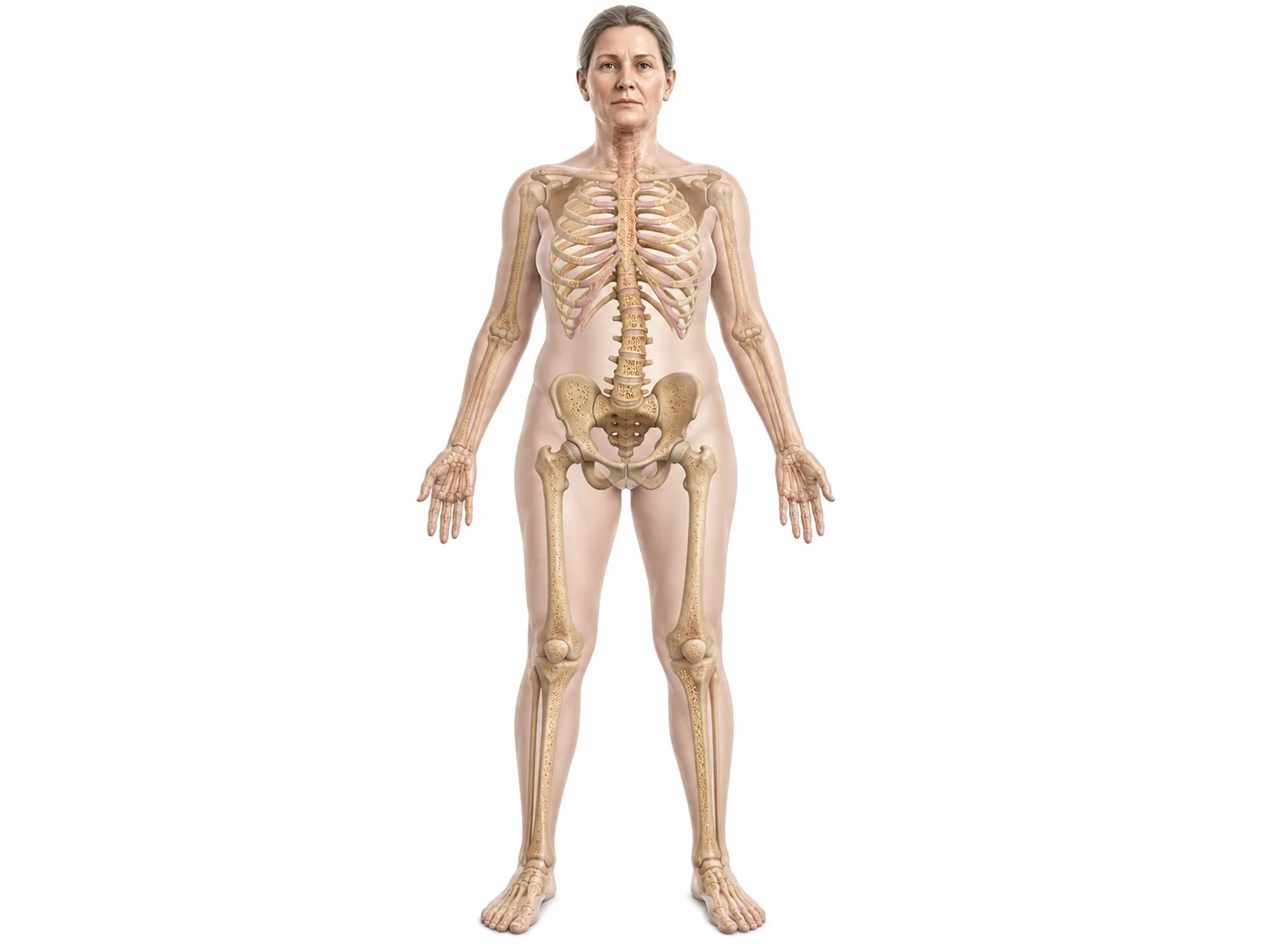
Osteomalacia is a metabolic bone disease primarily treated with medication and dietary adjustments. In most patients, surgery is not performed to treat the disease itself.
Surgery may be considered in the following situations:
- A displaced bone fracture,
- A stress fracture that has failed to heal,
- Severe bone deformity,
- A deformity that seriously impairs walking,
- Tumor-related phosphorus loss that can be treated by surgically removing the tumor.
Whenever possible, correcting mineral and vitamin D abnormalities before surgery is important for bone healing.
Can Osteomalacia Be Prevented?
Not all causes can be prevented. However, many cases related to poor nutrition and vitamin D deficiency can be reduced through appropriate preventive measures.
To help prevent osteomalacia, it is important to:
- Eat a balanced and varied diet,
- Consume foods that provide vitamin D and calcium,
- Get safe exposure to sunlight,
- Have intestinal, kidney, and liver disorders monitored,
- Review long-term medications with a physician,
- Take recurrent stress fractures seriously,
- Use supplements only as recommended by a physician.
Which Doctor Should You See for Osteomalacia?
If osteomalacia is suspected, you may consult a specialist in orthopedics and traumatology, endocrinology, internal medicine, or physical medicine and rehabilitation.
If bone pain, difficulty walking, or a stress fracture is the main concern, an orthopedic evaluation is needed. An endocrinologist may also be involved in investigating and treating vitamin D, phosphorus, and hormonal abnormalities.
If celiac disease or intestinal malabsorption is suspected, a gastroenterologist may be consulted; chronic kidney disease may require evaluation by a nephrologist.
Treatment of bone mineralization disorders should be planned by investigating the underlying cause rather than simply prescribing supplements.
When Should You Seek Urgent Medical Attention?
If any of the following symptoms occur, you should seek medical attention without delay:
- Sudden, severe hip or groin pain,
- Inability to bear weight on a leg,
- Significant bone pain after a fall,
- A visible deformity of the leg,
- New-onset severe muscle weakness,
- Repeated falls,
- Severe chest or rib pain,
- Numbness or loss of movement.
Frequently Asked Questions
What is osteomalacia?
It is the softening and weakening of bones in adults due to inadequate mineralization of newly formed bone tissue.
What is the most common cause?
One of the most common causes is severe, long-term vitamin D deficiency. Phosphorus loss, malabsorption, and kidney diseases can also cause it.
Is it the same as osteoporosis?
No. In osteoporosis, bone mass decreases; in osteomalacia, mineralization of newly formed bone tissue is impaired.
What symptoms does it cause?
Symptoms may include widespread bone pain, muscle weakness around the hips and shoulders, difficulty climbing stairs, a waddling gait, and stress fractures.
Can it be detected with a blood test?
Tests measuring vitamin D, calcium, phosphorus, alkaline phosphatase, and parathyroid hormone can help with diagnosis. Results may vary depending on the cause of the disease.
Will it go away if I take vitamin D?
If osteomalacia is caused by vitamin D deficiency, it may improve with appropriate treatment. However, if another problem, such as phosphorus loss or malabsorption, is responsible, that condition must also be treated.
Can it cause fractures?
Yes. Stress and insufficiency fractures can develop in bones with impaired mineralization.
Can it cause muscle weakness?
Yes. Weakness may occur particularly in the muscles around the hips and shoulders.
How long does treatment take?
Symptoms may begin to improve within a few weeks, but bone remineralization and normalization of laboratory values may take months.
Is surgery necessary?
Usually not. Surgery may be considered for a displaced fracture, a stress fracture that does not heal, or a severe deformity.
Final Overview of Osteomalacia
Osteomalacia is a metabolic bone disease in adults that occurs when bone tissue does not acquire sufficient minerals. Although the bone matrix is present, inadequate deposition of calcium and phosphorus makes the bones softer and less resistant to stress.
The most common cause is prolonged vitamin D deficiency. Intestinal malabsorption, chronic kidney and liver disease, phosphorus loss, certain medications, and rare genetic disorders can also lead to the condition.
Important symptoms include widespread bone pain, weakness in the muscles around the hips and shoulders, and difficulty rising from a chair or climbing stairs. As the disease progresses, stress fractures and walking difficulties may develop.
Diagnosis involves tests for vitamin D, calcium, phosphorus, alkaline phosphatase, and parathyroid hormone. X-rays, MRI, and other imaging methods may be used when necessary.
Osteomalacia treatment requires not only correcting vitamin D or mineral deficiencies but also managing the underlying cause. Short-term supplementation alone may not be sufficient if malabsorption, renal phosphorus loss, or the effects of medication are not addressed.
Assessment of osteomalacia and bone pain should take into account the patient’s symptoms, laboratory results, medications, and accompanying medical conditions.
This content is intended for informational purposes only. If you have widespread bone pain, muscle weakness, recurrent stress fractures, or vitamin D deficiency, consult a specialist for an individualized diagnosis and treatment plan.
İçerik Bilgisi